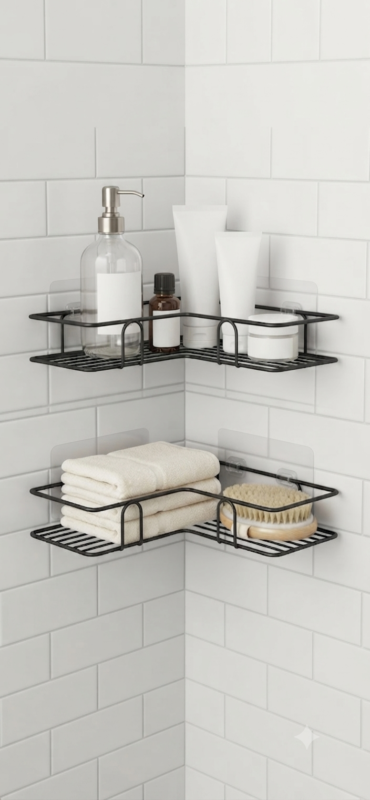
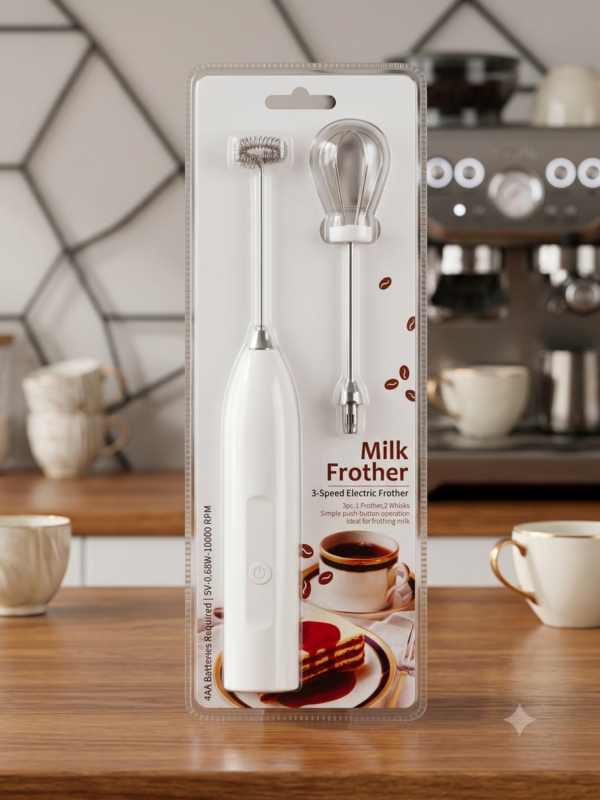
Introduction to AI Shopping Assistants
Artificial intelligence (AI) has been making waves in various industries, and retail is no exception. AI shopping assistants are revolutionizing the way customers interact with online stores, providing personalized recommendations and streamlined experiences. In this blog post, we’ll delve into the world of AI shopping assistants and explore their benefits, types, and future prospects.
What are AI Shopping Assistants?
AI shopping assistants are digital tools that use machine learning algorithms to assist customers in their online shopping journeys. They can be integrated into e-commerce websites, mobile apps, or even social media platforms, providing users with personalized product suggestions, order tracking, and customer support.
Benefits of AI Shopping Assistants
The benefits of AI shopping assistants are numerous. They can help increase sales, enhance customer satisfaction, and reduce support queries. Some of the key advantages include:
- Personalized product recommendations based on customer behavior and preferences
- Streamlined customer support with instant responses to queries
- Improved order tracking and management
- Enhanced customer engagement through interactive conversations
Types of AI Shopping Assistants
There are several types of AI shopping assistants, including:
- Chatbots: Text-based AI assistants that use natural language processing (NLP) to understand customer queries
- Voice assistants: AI-powered voice assistants that use speech recognition to interact with customers
- Visual assistants: AI-powered visual assistants that use computer vision to provide product recommendations and demonstrations
Future of AI Shopping Assistants
The future of AI shopping assistants looks promising, with advancements in machine learning, NLP, and computer vision. As AI technology continues to evolve, we can expect to see more sophisticated and personalized shopping experiences. Some potential developments include:
- Integration with IoT devices for seamless shopping experiences
- Use of augmented reality (AR) and virtual reality (VR) for immersive product demonstrations
- Development of more advanced NLP capabilities for improved customer support
Practical Tips for Implementing AI Shopping Assistants
If you’re considering implementing AI shopping assistants for your online store, here are some practical tips:
- Start with a chatbot or voice assistant to provide basic customer support and product recommendations
- Integrate your AI shopping assistant with your e-commerce platform for seamless order tracking and management
- Use machine learning algorithms to analyze customer behavior and preferences for personalized recommendations
Frequently Asked Questions
Here are some frequently asked questions about AI shopping assistants:
- Q: What is the cost of implementing an AI shopping assistant?
- A: The cost of implementing an AI shopping assistant varies depending on the type and complexity of the solution
- Q: How can I measure the effectiveness of my AI shopping assistant?
- A: You can measure the effectiveness of your AI shopping assistant by tracking metrics such as sales, customer satisfaction, and support query reduction
Conclusion
In conclusion, AI shopping assistants are revolutionizing the retail landscape with personalized recommendations and streamlined customer experiences. As AI technology continues to evolve, we can expect to see more sophisticated and personalized shopping experiences. If you’re considering implementing AI shopping assistants for your online store, start with a chatbot or voice assistant and integrate it with your e-commerce platform for seamless order tracking and management. Don’t forget to track metrics such as sales, customer satisfaction, and support query reduction to measure the effectiveness of your AI shopping assistant.
Ready to revolutionize your retail business with AI shopping assistants? Visit Anas House Hold to learn more about our AI-powered shopping solutions and take the first step towards transforming your customer experience.